

Polenta
Before diving into the excitement that is polenta, a few photographs from the Scottish Rite Center.

Looking out on to Lake Merritt. It was extremely hot. The windows face east. Gauze curtains cut some of the sunlight.

The Scottish Rite Center is in Oakland, California, on Lake Merritt. (Pictured above) I was there last week–instead of here, trying to blog–because my husband was attending a conference, and he needed assistance. If you are new here, my husband requires help because he has neuromuscular disease. This is not pictured.

A window in the third floor Ladies’ room. For privacy, it is covered by this elegant grille. Open the grille using the handle at the left, and you see this:

Anyway. Despite living in the San Francisco Bay Area for 28 years, eight of those in Oakland, I had never noticed the Scottish Rite Center. The building’s exterior is quite plain, and gives no indication of the elegance within.

Above, a detail of the exquisitely carved ceiling.

Oakland is often in the news, and often that news isn’t good. As a former resident, I’m the first to admit it’s a troubled city. But Oakland is also full of wonderful people, great food, and hidden treasures like this one.
On to our irregularly scheduled post.
—
Polenta.
I know. You don’t need me to tell you how to prepare polenta. But maybe you need reminding. I certainly do: I love polenta, but forget about it for months at a time. I made it last night with ham steak and spinach and it was delicious.

In addition to being delicious, polenta is cheap, nourishing, and filling. You can prepare it abstemiously–just water, salt, and cornmeal–or tip your yellow grains into broth seasoned with everything from salt to Aleppo pepper.

Add-ins run the gamut from a little butter to a cup of heavy cream.

If you are feeding hungry children or an underweight spouse, a handful of Mozzarella adds flavor and calories.

Pre-ground fancy-expensive Parm from Italy, because the Mozzarella pictures are terrible.
As noted, I served polenta with a ham steak, but polenta can be the meal itself. A green salad or, in more wintry weather, cooked greens, is welcome. If you have any kind of pickled or fermented greens, now is the time to serve them.

Leftovers are to be hoped for.

Polenta
Yield: about 3 generous cups.
Serves: 2-4, depending on what else is served.
You will need 2 glass measuring cups, a 3-4 quart/liter pan and a whisk to make polenta. A third measuring cup is helpful but not necessary.
Please read notes, below, before cooking.
2 cups/500 ml water or broth
1 teaspoon sea or fine salt
1 teaspoon pepper
1 cup/227 grams polenta
1 cup/227 ml heavy cream/half-and-half, milk, or water
about 1 cup/227 grams Mozzarella or other cheese, roughly shredded or torn
Optional seasonings-add with salt and pepper:
1/2 teaspoon Aleppo pepper
1/2 teaspoon Onion powder
1/2 teaspoon Garlic powder
1/2 teaspoon Fennel seed, crushed
1 garlic clove, smashed and minced
Heat the water or broth to a gentle boil.
Add the salt, pepper, and any seasonings you’re using, along with the garlic.
Whisk. The seasonings will not dissolve, and may settle at the bottom of the pot. That’s okay. Give everything a couple minutes to blend, then slowly pour in the polenta, whisking all the while. You want the heat at gentle simmer.
Whisk continually for the first three minutes or so to ensure a smooth outcome. Adjust the heat so you have a gentle simmer rather than a furious boil. Polenta can spit, so mind your hands and lower arms.
After a few minutes, add the cream, if using, whisking until blended. From here you can reduce the heat and whisk every few minutes or so. But don’t go holiday shopping. Hang around.
Polenta takes 20-30 minutes cooking time, and benefits from longer cooking. So long as you keep the heat low, no harm will come to it. Taste–carefully, it’s hot–to get a sense of when the grain is cooked. Once it’s getting close to done, add the cheese, once again whisking to blend completely.
Taste for salt–it may need some–and either serve immediately or turn heat to lowest setting, cover, and hold. If polenta seems to be drying out, pour a thin layer of dairy over it and then cover.
Serve with ham, poultry, pasta, tomato sauce, cheese, or greens. It is especially good with fermented greens like sauerkraut.
Polenta keeps, refrigerated, about four days. You could freeze it, but the texture would suffer.
Notes:
The ingredient list may lead some of you to wonder if I’m trying to induce heart attacks in my readers. I am not. My husband remains alarmingly underweight after a health crisis last year. Hence the heavy cream, cheese, and so forth. Please do not feel you must to add all these ingredients-or the amounts posted–to your polenta.
Polenta is an ancient and forgiving foodstuff. Make it with water or the broth of your choice. I used chicken. Add as little dairy–or as much–as you wish. Plant milks are fine, too.
The seasonings are optional as well. You might consider adding fresh herbs like parsley or oregano. Consider adding more garlic. Minced scallion would be wonderful here. Oven roasted cherry tomatoes are delicious in polenta.
The late Laurie Colwin wrote about craving polenta when depressed, topped with Gorgonzola and toasted walnuts.* I would add neither to my polenta, but only a fool disagrees with Laurie Colwin, and I am not that fool.
*From More Home Cooking: Down-Home Standbys

Share:
You might also like:
Spicy Cold Chinese Noodles
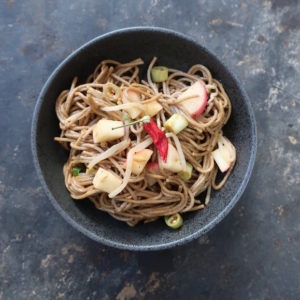
More properly referred to as Spicy And Numbing Cold Noodles, Spicy Chinese Noodles hail China’s Sichuan Province, a place known for hot, muggy summers and the ingestion of chile-laden foods to counter said wet heat. I’ve prepared Spicy Cold Chinese Noodles with corn, wax beans, red peppers, chile peppers, fresh…
Peppers and Onions
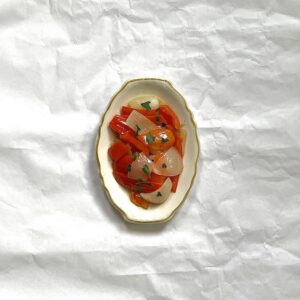
Constant readers may find this recipe similar to a post from last September. While the recipes are comparable, there is no point in posting the same recipe twice. This only irritates you, my readers, while using up valuable time and energy better spent on fresh material. With that, on with…
Pretty Pictures
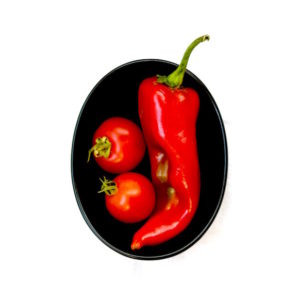
I don’t know about you, but if I read the word “comforting” one more time in a culinary context, I may throw a daubiere. At the moment the very idea of stew, maraconi and cheese, polenta, or any other thick, hot dish of food makes me ill. I suspect many…

